Approximately 1,700 scientists visit SSRL annually to conduct experiments in broad disciplines including life sciences, materials, environmental science, and accelerator physics. Science highlights featured here and in our monthly newsletter, Headlines, increase the visibility of user science as well as the important contribution of SSRL in facilitating basic and applied scientific research. Many of these scientific highlights have been included in reports to funding agencies and have been picked up by other media. Users are strongly encouraged to contact us when exciting results are about to be published. We can work with users and the SLAC Office of Communication to develop the story and to communicate user research findings to a much broader audience.
Science Highlight Archive Science Highlight Banner Images
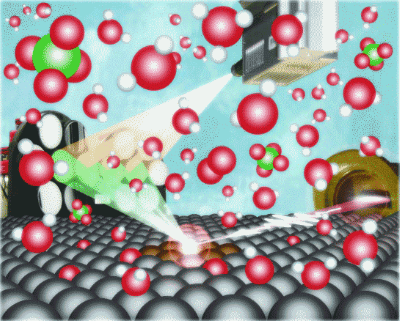
Synchrotron X-ray Analysis Demonstrate Phosphate-Bound Gadolinium in Skin in Nephrogenic Systemic Fibrosis
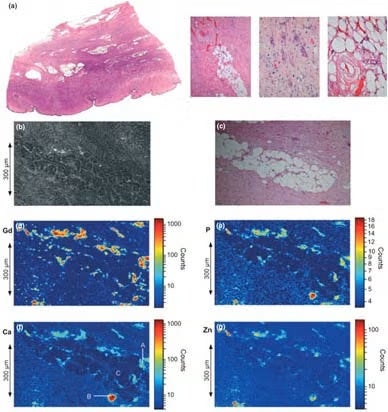
Nephrogenic systemic fibrosis, or NSF, is a relatively new disease in which the skin becomes hardened, joint movement becomes difficult and, in extreme cases, an excessive
Spotting Disease Hot Spots in Ryanodine Receptors
Our bodies heavily rely on calcium ions (Ca2+). Their concentration in the cell cytoplasm is normally low under resting conditions, and its influx through specialized ion channels drives many functions ranging from muscle contraction, regulating heart beats, secretion of hormones and neurotransmitter, transcription of specific genes, and more.
Highly Sensitive Flexible Pressure Sensors with Micro-structured Rubber Dielectric Layers

A desire to create machines that can explore their environments, like people do, thr
Structure of a Cation-bound Multidrug and Toxic Compound Extrusion Transporter
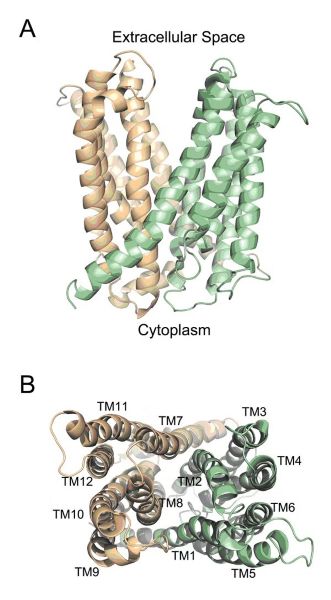
MATE transporters are responsible for the exportation of various substrates and toxins from cells of bacteria, plants, and mammals using a proton or sodium gradient.
Differential Encoding Brings Higher Resolution to X-ray Lensless Holography
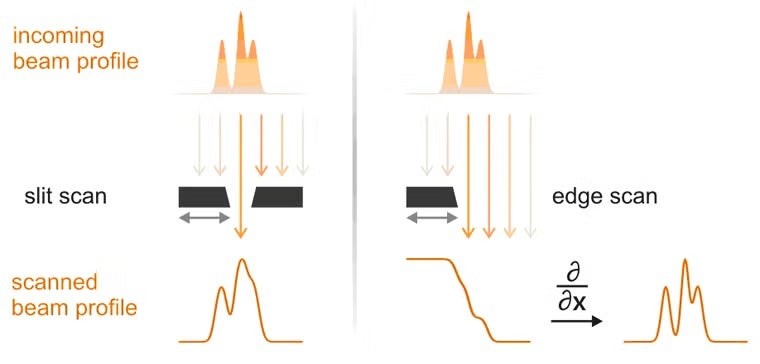
X-ray microscopy is a useful tool for visualizing functional materials on the nanoscale. X-ray holography replaces the lens with a computer and obtains an image by Four
Structures of Two Semaphorin-Plexin Complexes Reveal a Basis for Repulsive Guidance Cue Recognition and Viral Mimicry
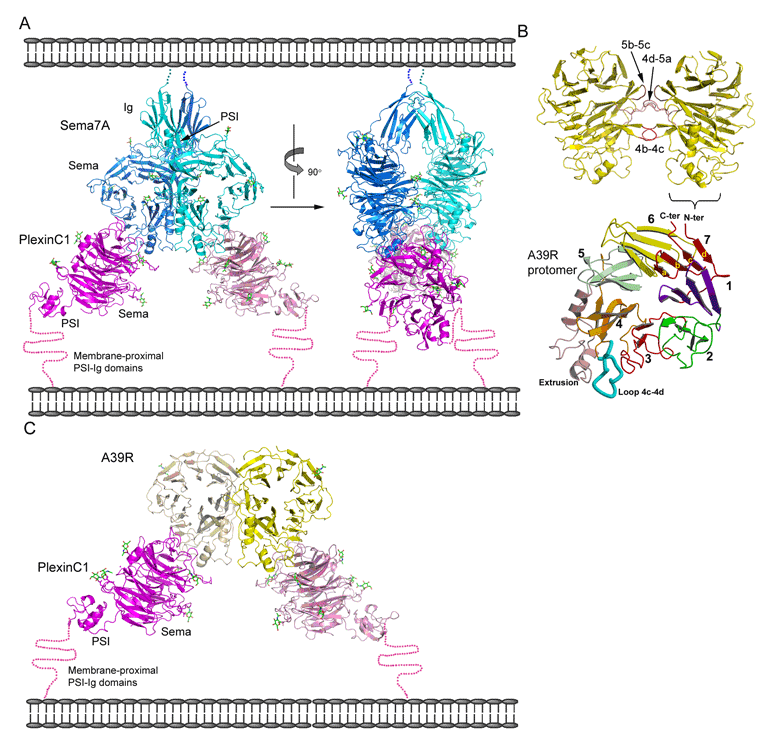
Semaphorins are a group of proteins known for their critical role in nerve and vascular development and are bound by signaling receptors called Plexins.
Unconventional Face-On Texture and Exceptional In-Plane Order of a High Mobility n-Type Polymer
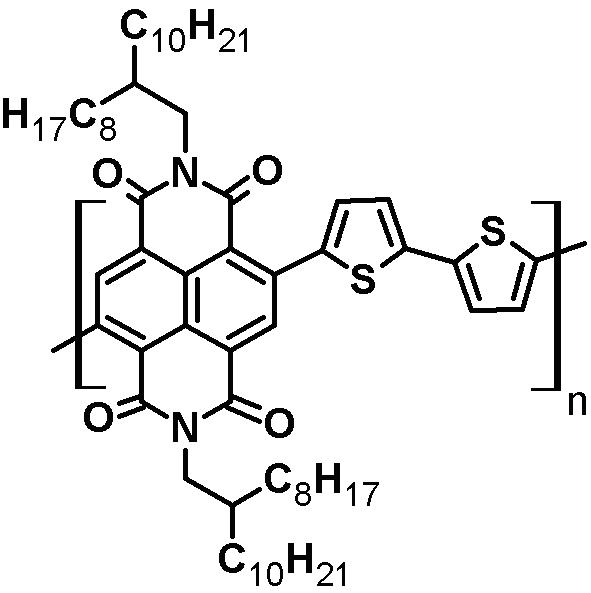
Discovering high performing organic semiconductors is a hot area of research, as we look for efficient, low-cost materials that can be used in inexpensive electronic devi
Collaborate on Science Highlights
We can work with users and the SLAC Office of Communication to develop the story and to communicate user research findings to a much broader audience.