Approximately 1,700 scientists visit SSRL annually to conduct experiments in broad disciplines including life sciences, materials, environmental science, and accelerator physics. Science highlights featured here and in our monthly newsletter, Headlines, increase the visibility of user science as well as the important contribution of SSRL in facilitating basic and applied scientific research. Many of these scientific highlights have been included in reports to funding agencies and have been picked up by other media. Users are strongly encouraged to contact us when exciting results are about to be published. We can work with users and the SLAC Office of Communication to develop the story and to communicate user research findings to a much broader audience.
Science Highlight Archive Science Highlight Banner Images
Manganese-II Oxidation: A Biotic and Abiotic Process
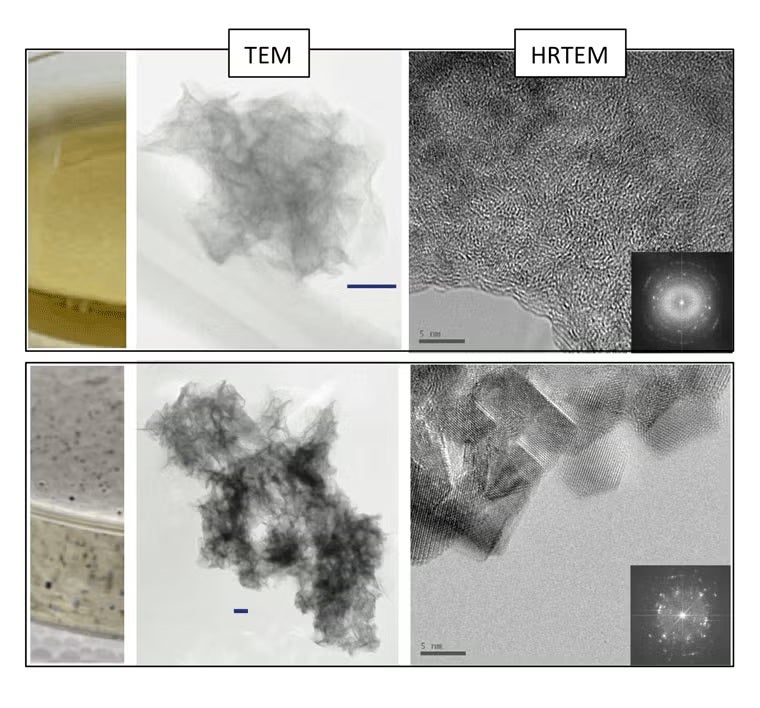
Manganese, one of the most abundant metals in soils and rocks, is important to the health of the environment: As it cycles between manganese-II and nanocrystalline manganese-I
Characterization of Iron Diazene Complexes in Two Oxidation States
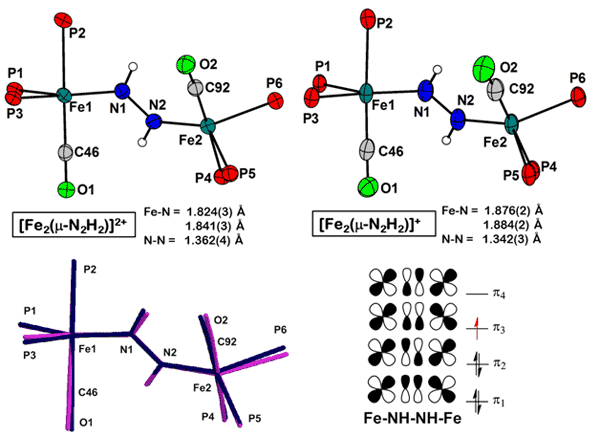
The enzyme nitrogenase plays a critical role in converting nitrogen in the air into ammonia, a form that living organisms can use.
X-ray Emission Spectroscopy Evidences a Central Carbon in the Nitrogenase Iron-Molybdenum Cofactor
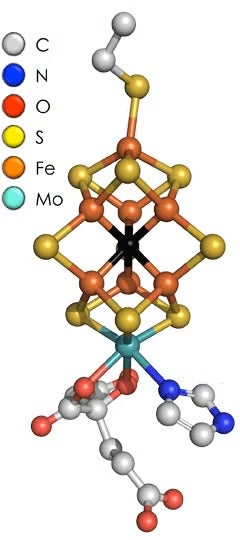
If we could make plant food from nitrogen the way nature does, we would have a much greener method for manufacturing fertilizer; the current industrial process requires such
How a Complex Molecular Machine Is Built for Gene Transcription: Architecture of the Mediator Head Module
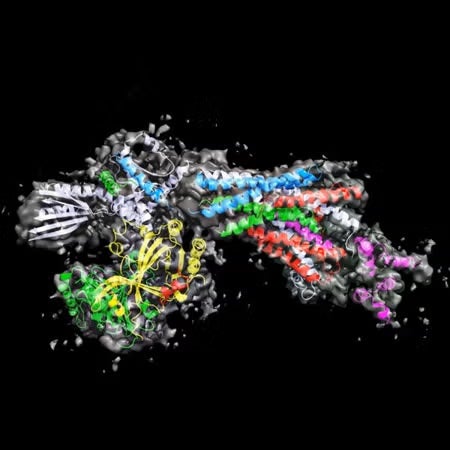
Scientists have deciphered the structure of an essential part of Mediator, a complex molecular machine that plays a vital role in regulating the transcription of DNA.
Structure and Reactivity of a Mononuclear Non-Haem Iron(III)–Peroxo Complex
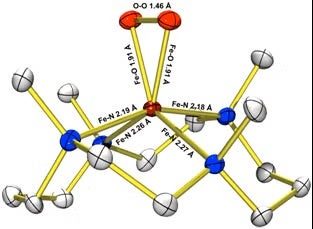
The life-sustaining element oxygen can’t do its job alone.

Collaborate on Science Highlights
We can work with users and the SLAC Office of Communication to develop the story and to communicate user research findings to a much broader audience.