Approximately 1,700 scientists visit SSRL annually to conduct experiments in broad disciplines including life sciences, materials, environmental science, and accelerator physics. Science highlights featured here and in our monthly newsletter, Headlines, increase the visibility of user science as well as the important contribution of SSRL in facilitating basic and applied scientific research. Many of these scientific highlights have been included in reports to funding agencies and have been picked up by other media. Users are strongly encouraged to contact us when exciting results are about to be published. We can work with users and the SLAC Office of Communication to develop the story and to communicate user research findings to a much broader audience.
Science Highlight Archive Science Highlight Banner Images
How were Lekythoi used in Ancient Greek Funeral Practices?
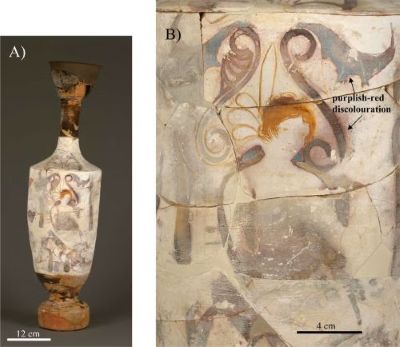
Anthropologists learn about ancient cultures through the objects left behind.
Crystallographic Studies of CO to CO2 Interconversion in a Ni-Fe-S Cluster-containing Metalloenzyme
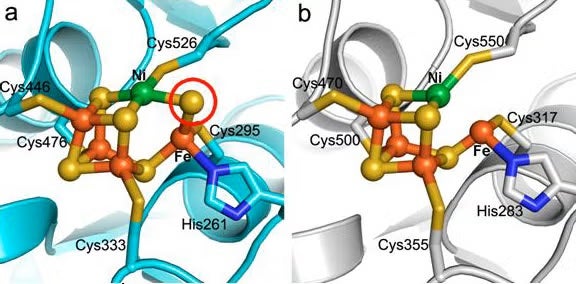
The smallest organisms should not be overlooked when finding solutions to the problem of increasing pollutants and greenhouse gases in our atmosphere.
Fragment Screen against HIV Protease: Discovery of Two Allosteric Binding Sites
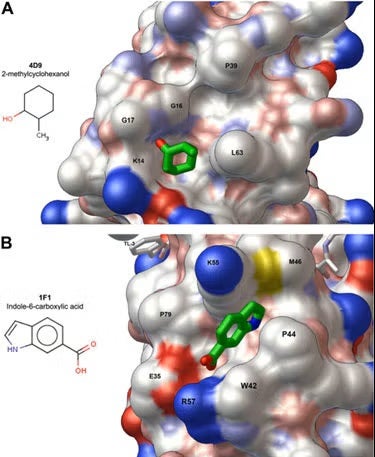
HIV protease is a common and critical drug target for combating HIV infection and AIDS. As HIV develops resistance to anti-viral drugs, new therapies are required.
Time-Resolved Small-Angle X-ray Scattering Studies Revealed Three Kinetic Stages of a T=4 Virus Maturation
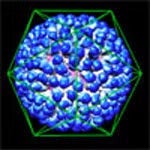
The capsid that surrounds viruses is formed from subunit proteins that interact in specific ways to form a tight shell.
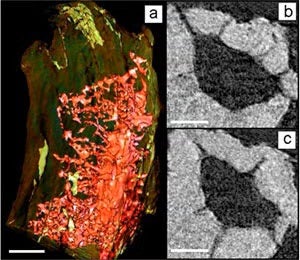
Archaeopteryx Feathers and Bone Chemistry Fully Revealed via Synchrotron Imaging
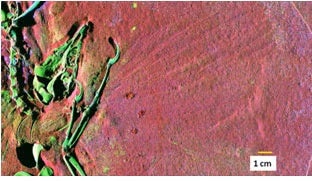
Archaeopteryx, the half-reptilian, half-avian creature that lived 150 million years ago is famous as the fossil record's link between dinosaurs and birds.
Structural Basis of Pre-existing Immunity to the 2009 H1N1 Pandemic Influenza Virus
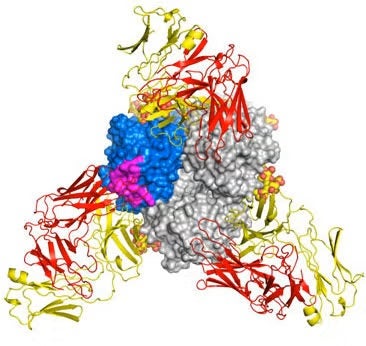
An unusual property of the last year's H1N1 "swine flu" virus pandemic is that it disproportionately affected the young.
Research Sheds Light on Workings of Anti-cancer Drug
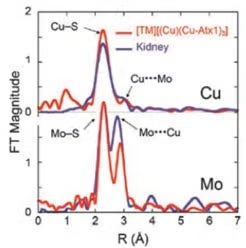
Cells need copper to function, but too much copper can be toxic, leading to liver damage and neurological problems, as happens in disorders such as Wilson disease.
Particle-hole Symmetry Broken Pseudogap in High Temperature Superconductors
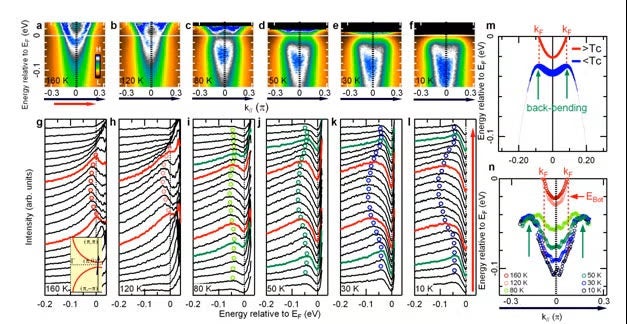
Superconductivity is a hot topic in physics for good reason. With an electrical resistance of zero, superconductors transport electrical current with no loss of energy.
Collaborate on Science Highlights
We can work with users and the SLAC Office of Communication to develop the story and to communicate user research findings to a much broader audience.