Approximately 1,700 scientists visit SSRL annually to conduct experiments in broad disciplines including life sciences, materials, environmental science, and accelerator physics. Science highlights featured here and in our monthly newsletter, Headlines, increase the visibility of user science as well as the important contribution of SSRL in facilitating basic and applied scientific research. Many of these scientific highlights have been included in reports to funding agencies and have been picked up by other media. Users are strongly encouraged to contact us when exciting results are about to be published. We can work with users and the SLAC Office of Communication to develop the story and to communicate user research findings to a much broader audience.
Science Highlight Archive Science Highlight Banner Images
Working Together in Harmony at Molecular Level: Cooperativity in Protein Function Regulation
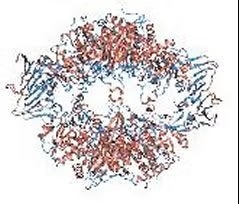
The combined use of x-ray crystallography and solution small angle x-ray scattering has enabled a research collaboration involving scientists from Boston College and SSRL to provide s
Structure of RNA Polymerase II
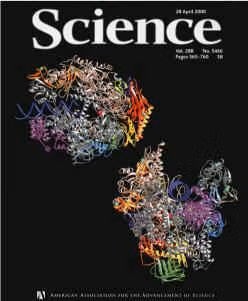
RNA Polymerase transcribes genetic information into a message that can be read by the ribosome to produce protein The research group of Professor Roger Kornberg of Stanford
Defining the processes controlling arsenic uptake by rice (Oryza sativa L.)
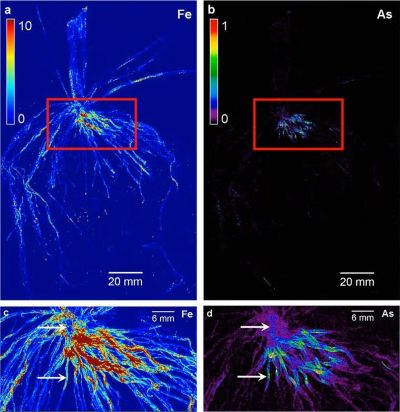
Rice, the grain that provides more than one-fifth of the world population's calories, can become a health hazard if contaminated with arsenic.
Assembly and Evolution of Complex Fe-S Clusters as Revealed by X-ray Crystallography
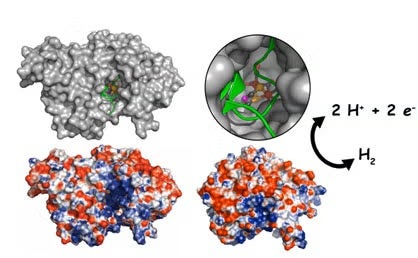
The potential for using biological enzymes to make hydrogen to use as a renewable energy source is a hot topic, but little is known about how these complex enzymes assemble and work.
The Structure of a Reaction Intermediate in Enzymatic Halogenation
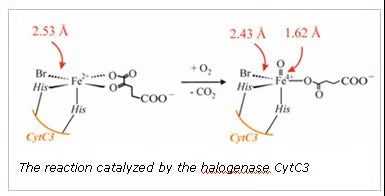
Halogenated natural products play important roles as antibiotics, antifungals, and antitumor agents.
Collaborate on Science Highlights
We can work with users and the SLAC Office of Communication to develop the story and to communicate user research findings to a much broader audience.