Approximately 1,700 scientists visit SSRL annually to conduct experiments in broad disciplines including life sciences, materials, environmental science, and accelerator physics. Science highlights featured here and in our monthly newsletter, Headlines, increase the visibility of user science as well as the important contribution of SSRL in facilitating basic and applied scientific research. Many of these scientific highlights have been included in reports to funding agencies and have been picked up by other media. Users are strongly encouraged to contact us when exciting results are about to be published. We can work with users and the SLAC Office of Communication to develop the story and to communicate user research findings to a much broader audience.
Science Highlight Archive Science Highlight Banner Images
Deadly Carcinogen Unraveled: The Molecular Origami of Fungal Polyketides
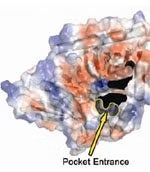
UC Irvine researchers have unveiled the mystery behind one of the deadliest toxins that causes liver cancer.
Researchers Directly Observe Oxygen Signature from the Oxygen-evolving Complex of Photosynthesis

The advent of photosynthesis gave life forms a new way to capture energy from the sun.
Microbial Life on the Seafloor: Where's the Energy?
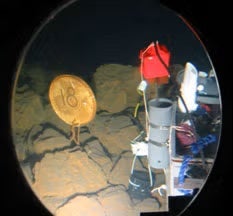
New rock formed by deep undersea volcanoes does not stay bare long.
The New Face of Protein-bound Copper: The Type Zero Copper Site
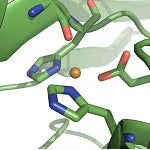
Copper is an essential ingredient for animal and plant life.
Crystal Structure of the Hexameric Assembly Unit of the HIV Capsid
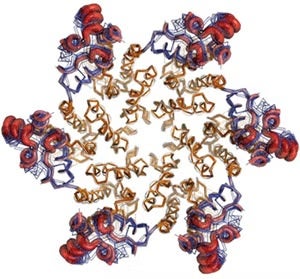
The genome of the human immunodeficiency virus (HIV-1) is bundled inside a capsid composed of about 1,500 copies of the viral Capsid Assembly (CA) protein.
In Situ and Ex Situ Studies of Platinum Nanocrystals: Growth and Evolution in Solution
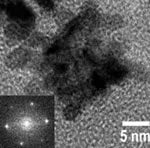
Crystals of different sizes and shapes have different functional properties.
Molecular Mimicry of SUMO by Rad60 Helps Protect the Genome from Toxic Stress
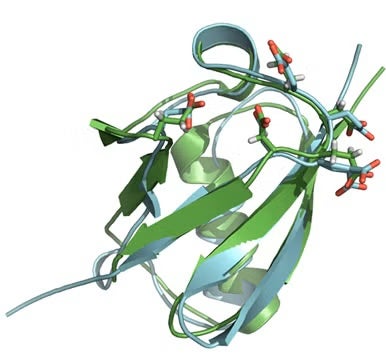
DNA is a relatively stable molecule, but it can be damaged by chemicals generated inside our cells or by radiation originating from outside our cells.
"Seeing" Mercury Methylation in Progress
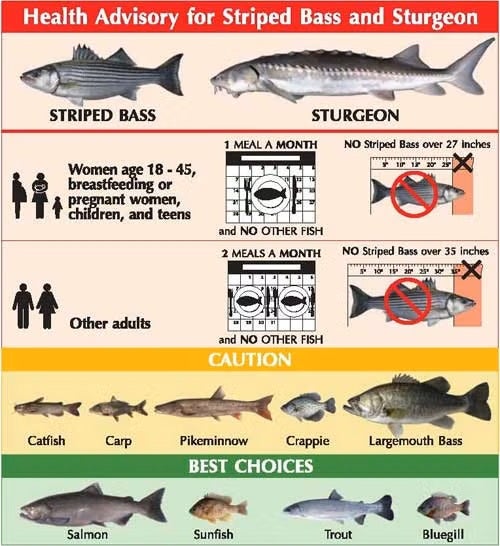
High levels of mercury in our diets can have adverse effects on our health, and fish are a major source of dietary mercury.
An Ancient Structural Bridge Joins Editing to Aminoacylation to Prevent Mistranslation
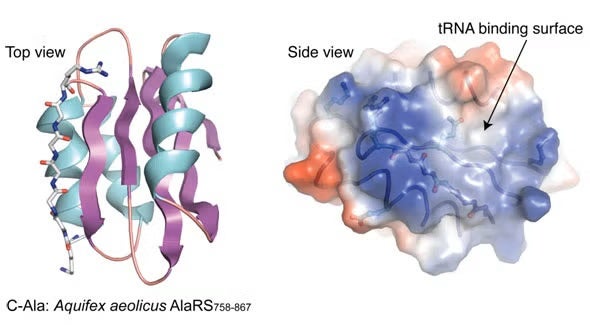
The information encoded in genes is only useful if the decoder is accurate.
Allosteric Modulation of DNA by Small Molecules
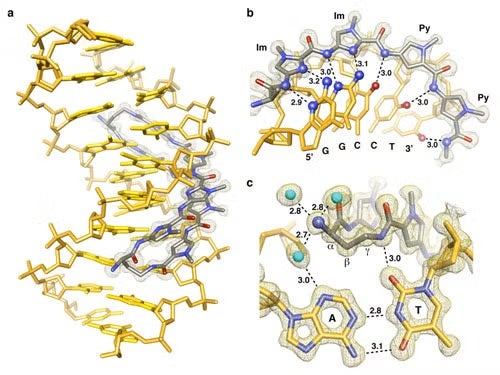
Biological macromolecules, like proteins and nucleic acids, are good examples of the form follows function paradigm; and, in the case of these molecules, deformation follows function as
Collaborate on Science Highlights
We can work with users and the SLAC Office of Communication to develop the story and to communicate user research findings to a much broader audience.