Approximately 1,700 scientists visit SSRL annually to conduct experiments in broad disciplines including life sciences, materials, environmental science, and accelerator physics. Science highlights featured here and in our monthly newsletter, Headlines, increase the visibility of user science as well as the important contribution of SSRL in facilitating basic and applied scientific research. Many of these scientific highlights have been included in reports to funding agencies and have been picked up by other media. Users are strongly encouraged to contact us when exciting results are about to be published. We can work with users and the SLAC Office of Communication to develop the story and to communicate user research findings to a much broader audience.
Science Highlight Archive Science Highlight Banner Images
SSRL Data Directs Prostate Cancer Drug Design
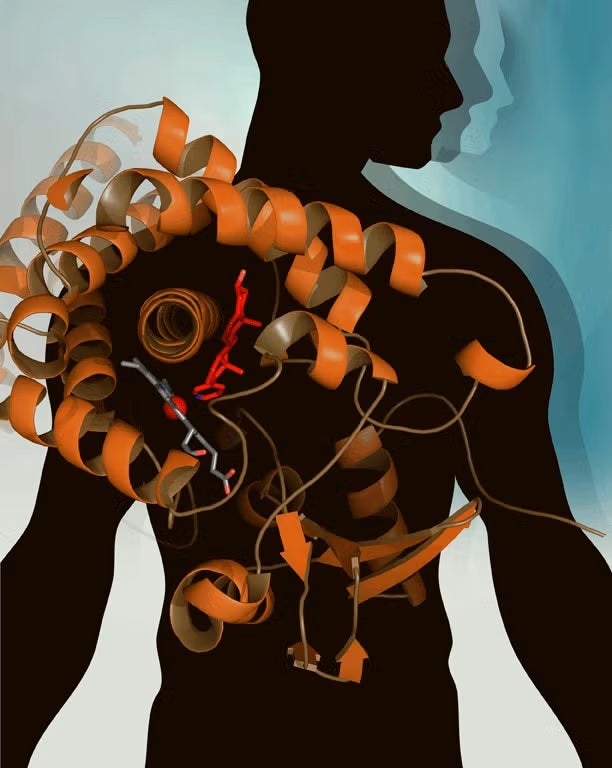
Prostate cancer, the most common cancer in men, is often a localized, slow-growing cancer, which aids treatment and improves survival rates.
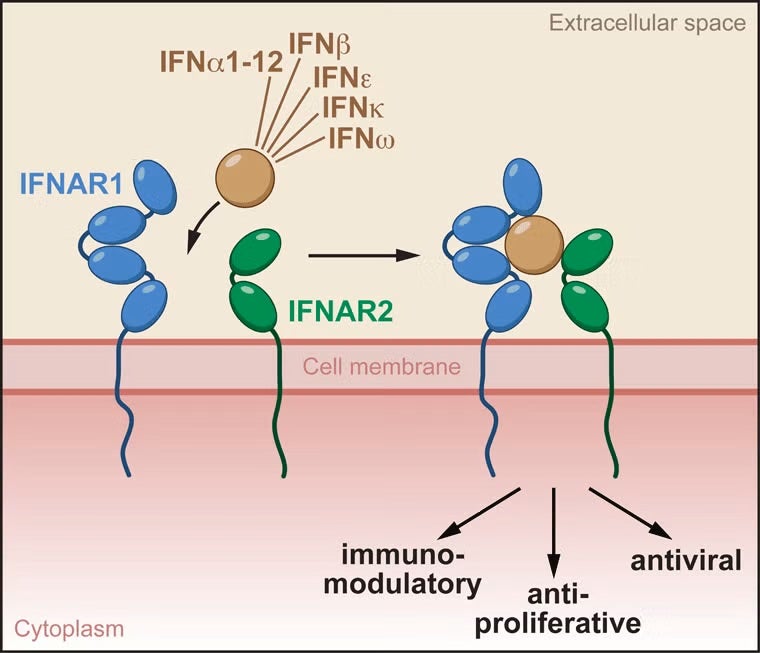
Structure of an N-terminal Tα Peptide Inserted into a Hydrophobic Pocket of the Mammalian C. elegans Homolog, UNC119
In order for our eyes to see in both intense and low light conditions, molecular mechanisms allow for light and dark adaptation. The G-protein transducin is responsible for transducing signal from the photon receptor protein rhodopsin in rod and cone photoreceptors of our retina. Transducin is composed of three polypeptides, α, β and γ. The α subunit contains the GTP binding site.
Collaborate on Science Highlights
We can work with users and the SLAC Office of Communication to develop the story and to communicate user research findings to a much broader audience.