Approximately 1,700 scientists visit SSRL annually to conduct experiments in broad disciplines including life sciences, materials, environmental science, and accelerator physics. Science highlights featured here and in our monthly newsletter, Headlines, increase the visibility of user science as well as the important contribution of SSRL in facilitating basic and applied scientific research. Many of these scientific highlights have been included in reports to funding agencies and have been picked up by other media. Users are strongly encouraged to contact us when exciting results are about to be published. We can work with users and the SLAC Office of Communication to develop the story and to communicate user research findings to a much broader audience.
Science Highlight Archive Science Highlight Banner Images
A General Relationship between Disorder, Aggregation, and Charge Transport in Conjugated Polymers
Films of semiconducting organic polymers are major candidates for new materials, with industrial applications ranging from lighting equipment to solar cells to electronic devices. In order to fully exploit these materials, scientists must first understand how polymer films transport electric charge.
Nanoparticulate FeS as an Effective Redox Buffer to Prevent Uraninite (UO2) Oxidation
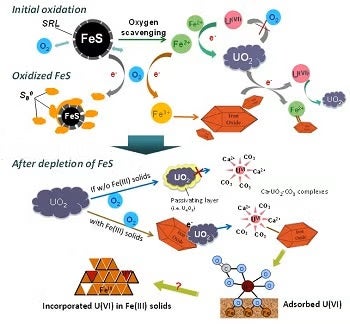
A major concern in the nuclear age is the contamination of soils and groundwater with radionuclides from nuclear weapons and fuel production as well as other human activities.
Quantification of the Mercury Adsorption Mechanism on Brominated Activated Carbon
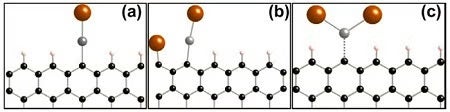
Emissions from coal-fired power plants are a major source of atmospheric mercury.
Crystal Structure and Functional Analysis Identify Evolutionary Secret of SerRS in Vascular Development
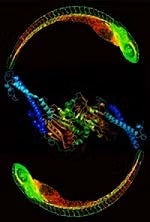
Aminoacyl-tRNA synthetases are key enzymes in the fundamental process of protein synthesis.
Structure of the DUF2233 Domain in Bacteria and the Stuttering-associated UCE Glycoprotein
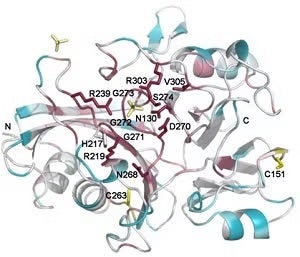
Scientists from the Joint Center for Structural Genomics (JCSG) in the Structural Genomics Division at SSRL in collaboration with the laboratory of Dr.
Using X-rays to Find an Evolutionary Step in the Origin of Oxygenic Photosynthesis
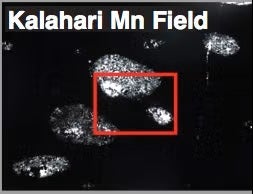
The evolution of oxygenic photosynthesis approximately 2.3 to 2.4 billion years ago revolutionized life on Earth.
Structure of Human Argonaute2: A Programmable Ribonuclease
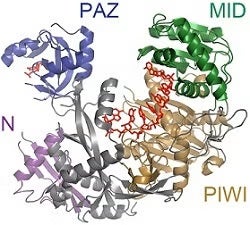
RNA degradation is an important process in all organisms with functions including cellular clean-up of unwanted RNA, defense against RNA viruses, and a variety of other cellular strat
Collaborate on Science Highlights
We can work with users and the SLAC Office of Communication to develop the story and to communicate user research findings to a much broader audience.