Approximately 1,700 scientists visit SSRL annually to conduct experiments in broad disciplines including life sciences, materials, environmental science, and accelerator physics. Science highlights featured here and in our monthly newsletter, Headlines, increase the visibility of user science as well as the important contribution of SSRL in facilitating basic and applied scientific research. Many of these scientific highlights have been included in reports to funding agencies and have been picked up by other media. Users are strongly encouraged to contact us when exciting results are about to be published. We can work with users and the SLAC Office of Communication to develop the story and to communicate user research findings to a much broader audience.
Science Highlight Archive Science Highlight Banner Images
Architectures of Whole-module and Bimodular Proteins from 6-Deoxyerythronolide B Synthase
Many organisms produce chemicals known as secondary metabolites that are not directly vital for survival but often play important roles in the organisms’ defense against other species. Due to their wide range of medically relevant properties, these compounds are also of great interest to humankind.
Measurement of Transient Atomic-scale Displacements in Thin Films with Picosecond and Femtometer Resolution
Optical pump/x-ray probe experiments are key for studies of ultrafast processes in a wide range of materials. In these experiments, an optical pump laser pulse excites a sample and is followed by an x-ray probe pulse that determines the sample’s response.
Iron(IV)hydroxide pKa and the Role of Thiolate Ligation in C-H Bond Activation by Cytochrome P450
Cytochrome P450s make up a large family of iron-containing enzymes that catalyze the oxidation of organic substances. As nature’s detoxifiers, they are responsible for 75 percent of the phase one metabolism of pharmaceuticals.
The Ductility of Human Jaw Bone Attached to a Tooth
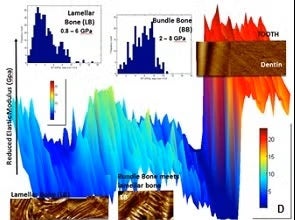
Local changes of the periodontal ligament (PDL), i.e.
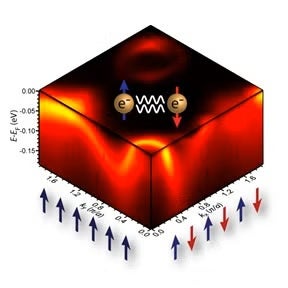
Correlation of Lithium-Ion Battery Performance with Structural and Chemical Transformations
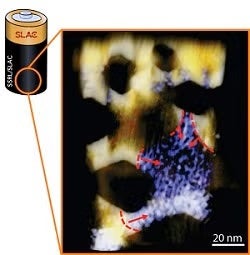
Rechargeable lithium-ion batteries are widely used in applications ranging from consumer electronics to electric vehicles.
Fatty Acid Biosynthesis Caught in the Act
Fatty acids are key components of a variety of biological functions ranging from cellular membranes to energy storage. In addition, they are of great interest as potential “green” biofuels and targets in the development of novel antibiotics. In order to fully exploit their potential, researchers must first understand in detail how organisms synthesize fatty acids.
Collaborate on Science Highlights
We can work with users and the SLAC Office of Communication to develop the story and to communicate user research findings to a much broader audience.